


Residential Off-Grid Solar Solutions

Complete energy independence for your home. Our off-grid solar systems provide reliable, self-sufficient power even in remote locations, with no need for utility grid connection.

Benefits of Residential Off-Grid Solar

Enjoy complete energy independence with our reliable off-grid solar solutions, designed for remote homes, cabins, and locations without grid access.

Energy Independence

Complete Energy Independence

Generate and store your own electricity without reliance on the utility grid. Perfect for cabins, remote homes, and areas with unreliable grid power.

Electricity Bills

Zero Monthly Electricity Bills

Generate your own free solar power for daily home use, completely cut down long-term electricity costs and no more rising utility tariffs.

RunMod Backup Power

Backup Generator Integration

Integrated generator backup automatically kicks in during extended periods of low sunlight, ensuring uninterrupted power supply year-round.

Flexible & Scalable Installation

Can be customized according to home power demand; easy to expand solar panels and battery capacity later as household electricity consumption grows.
Off-Grid System Components

A complete off-grid solar system includes all these essential components to ensure reliable, independent power generation and storage.

solar panel

Solar Panels

High-efficiency monocrystalline solar panels capture maximum sunlight.

battery group

Battery Bank

Deep-cycle lithium-ion batteries store excess energy for use when the sun isn't shining.

controller

Charge Controller

MPPT charge controllers optimize power transfer from panels to batteries, extending battery life.

DC AC

Inverter

Pure sine wave inverters convert DC battery power to clean AC power for household appliances.

How Off-Grid Systems Work

Unlike grid-tied systems, off-grid solar solutions operate independently, requiring careful energy management and storage for continuous power supply.

1

Solar Panels Generate Power

Solar panels convert sunlight into DC electricity during daylight hours, with production varying based on weather and season.

2

Charge Controller Manages Power

MPPT charge controllers optimize the power flow, preventing battery overcharging and maximizing system efficiency.

3

Batteries Store Excess Energy

Deep-cycle batteries store surplus energy generated during the day for use at night or during periods of low sunlight.

4

Inverter Powers Your Home

The inverter converts stored DC battery power to AC electricity, providing clean power for all household appliances.
MAIN PROMOTION

Rent Motorcycle

A laoreet ad litora consequat a luctus a suspendisse rutrum.
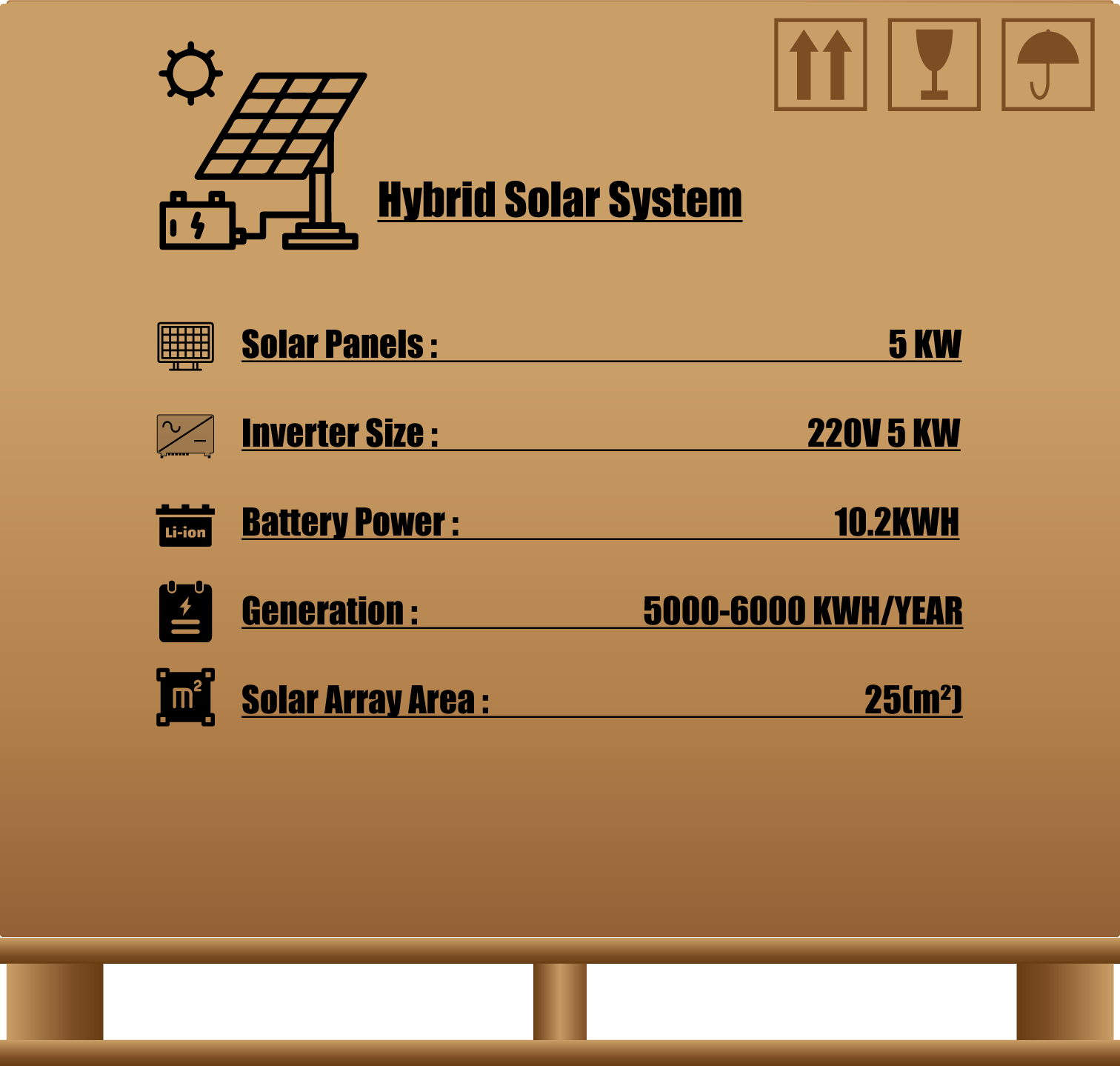
5kw hybrid solar system pallet

Kawasaki Vulcan C

Maximum Power

61 Bhp @ 7,500 rpm

Top Speed

168 kmph

Ground Clearance

130 mm

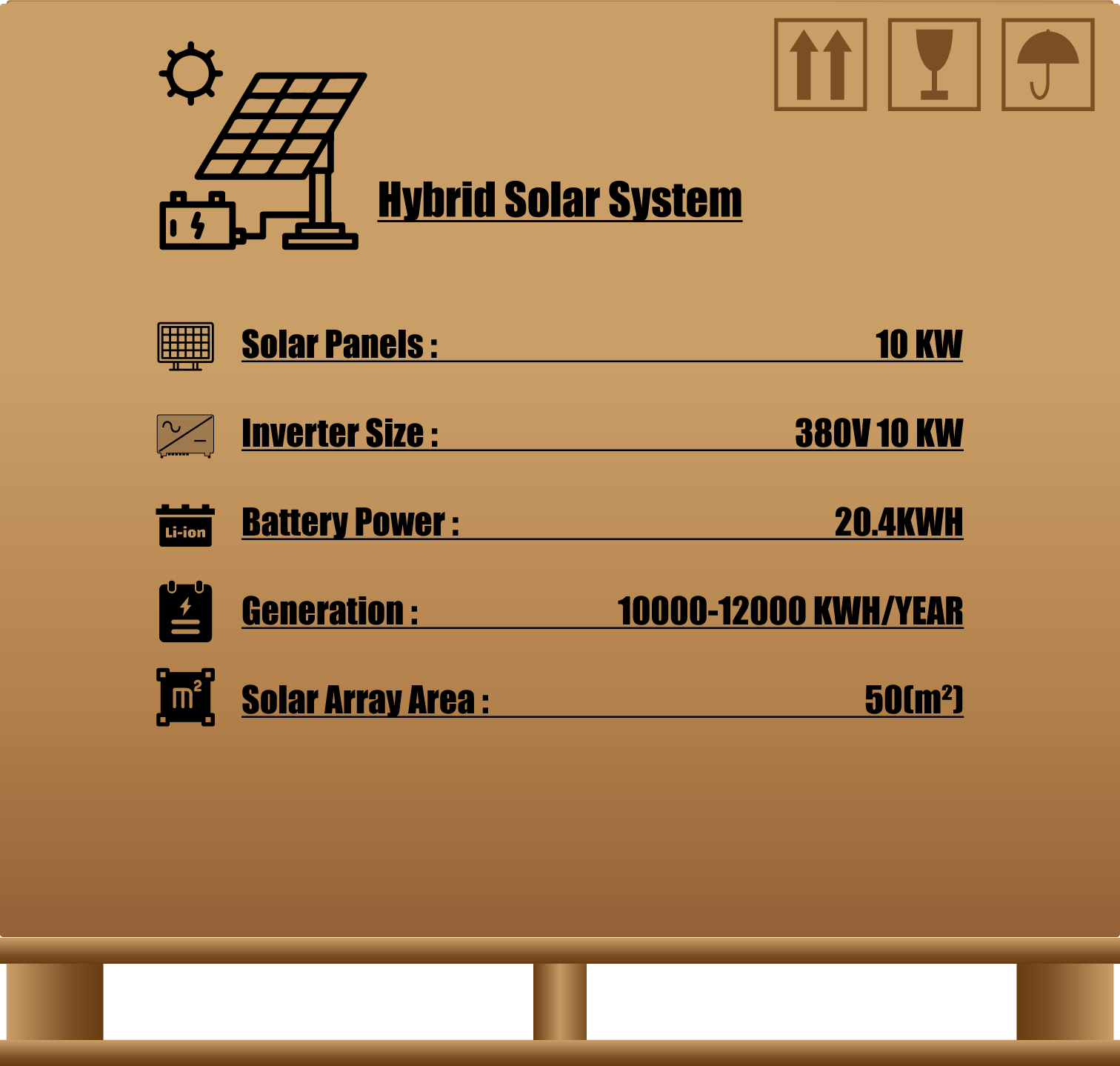
10kw hybrid solar system pallet

Triumph TIGER 1200

Maximum Power

139 Bhp @ 9,350 rpm

Top Speed

228 kmph

Ground Clearance

168 mm

Off-Grid Solar FAQ

Find answers to common questions about residential off-grid solar systems.

What is an off-grid solar system?

An off-grid solar system operates completely independently from the utility grid. It generates, stores, and manages all the electricity a home needs using solar panels, batteries, and backup generators. This makes it ideal for remote locations where grid connection is unavailable or unreliable.

How many batteries do I need for an off-grid system?

The number of batteries depends on your daily energy consumption and how many days of autonomy you need (days without sun). A typical off-grid home might need 10-20 kWh of battery storage. Our system calculator can help determine the exact battery capacity for your needs.

Can I run air conditioning on an off-grid system?

Yes, but it requires careful sizing. Air conditioners are power-hungry appliances, so you'll need a larger solar array and battery bank. We recommend energy-efficient mini-split systems and proper insulation to reduce cooling loads in off-grid homes.

What happens during extended cloudy periods?

Off-grid systems are designed with "days of autonomy" - typically 2-3 days of battery storage. For longer cloudy periods, we integrate backup generators (propane, diesel, or gasoline) that automatically start when batteries get low, ensuring uninterrupted power.